

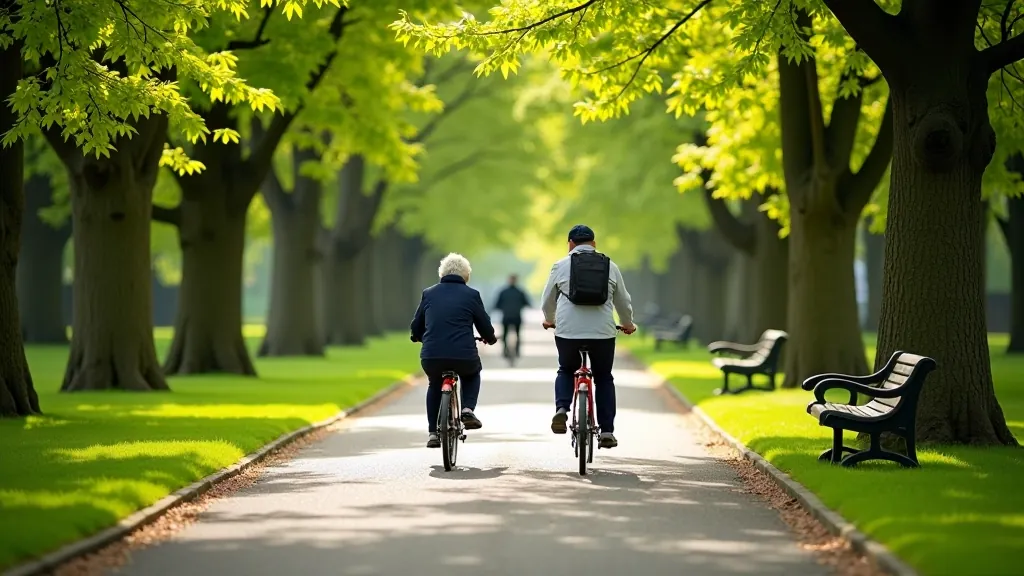
St Stephen's Green Dublin: Your First Ride
A gentle loop around Dublin's most famous park. Flat paths, lots of benches, and peaceful surroundings perfect for building confidence.
Everything you need to know about electric bikes for seniors. How they work, where to rent them, and why they're changing the game for older riders who want more confidence on city streets.
There's something special happening on Dublin's streets, Cork's waterfront, and Galway's promenade. Older riders who thought their cycling days were behind them are getting back on bikes—and they're doing it with confidence. The difference? Electric bikes.
An e-bike isn't cheating. It's not lazy. It's actually the smartest way to stay mobile in a city that wasn't always built with seniors in mind. We're talking about less strain on joints, more control on hills, and the freedom to explore neighborhoods without worrying about exhaustion.
The rental systems spreading across Irish cities right now make it even simpler. You don't need to own one. You don't need technical knowledge. You just need to understand how they work—which is what we're covering today.
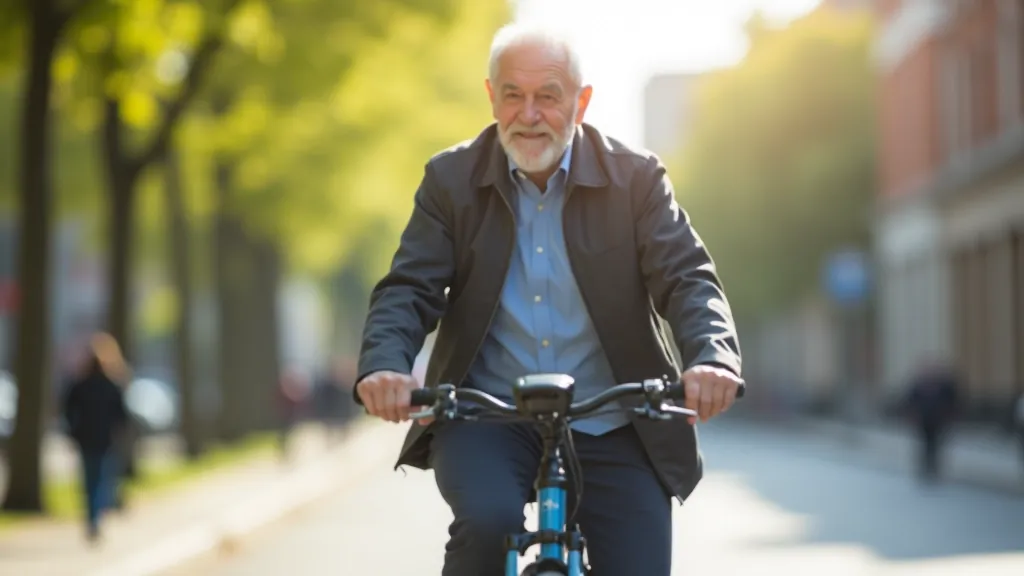
Here's the thing about e-bikes—they're not motorcycles pretending to be bicycles. They're bicycles that help you.
The motor kicks in when you pedal. You're still doing the work. The battery just gives your legs a boost, especially useful when you're climbing a hill or starting from a stop. Most rental e-bikes in Irish cities have motors between 250-500 watts, which is enough to make a real difference without being overwhelming.
The battery lasts anywhere from 30-80 kilometers depending on the bike and how much assistance you use. On a typical city ride—say from your home to the shops and back—you'll use maybe 15-20% of the battery. That's why rental schemes work so well. The bikes get charged overnight, and they're ready for dozens of users each day.
There's also something psychological happening here. When you know you've got assistance available, you pedal differently. You're more relaxed. Your technique improves. And because you're less worried about getting tired, you actually enjoy the ride more.
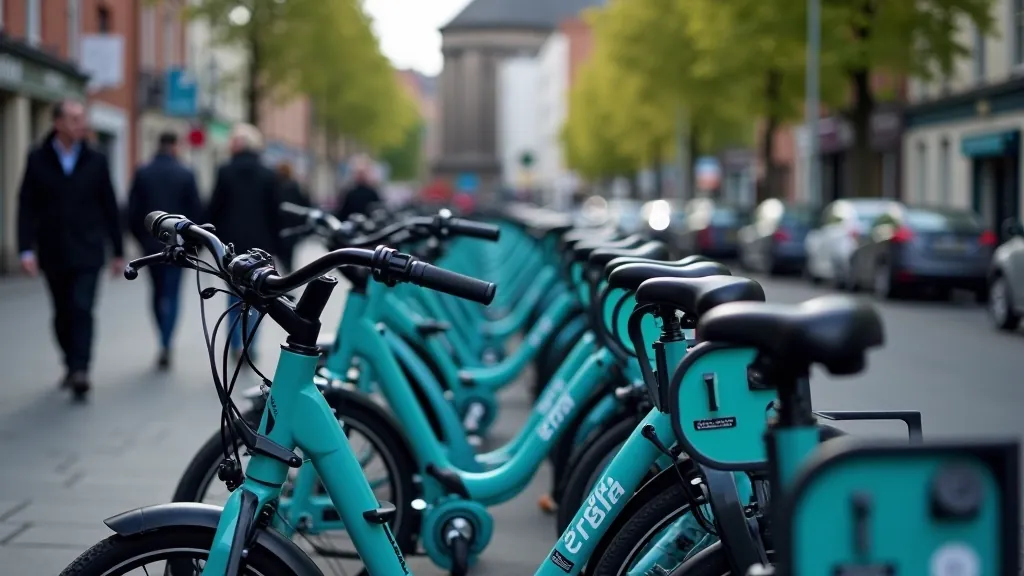
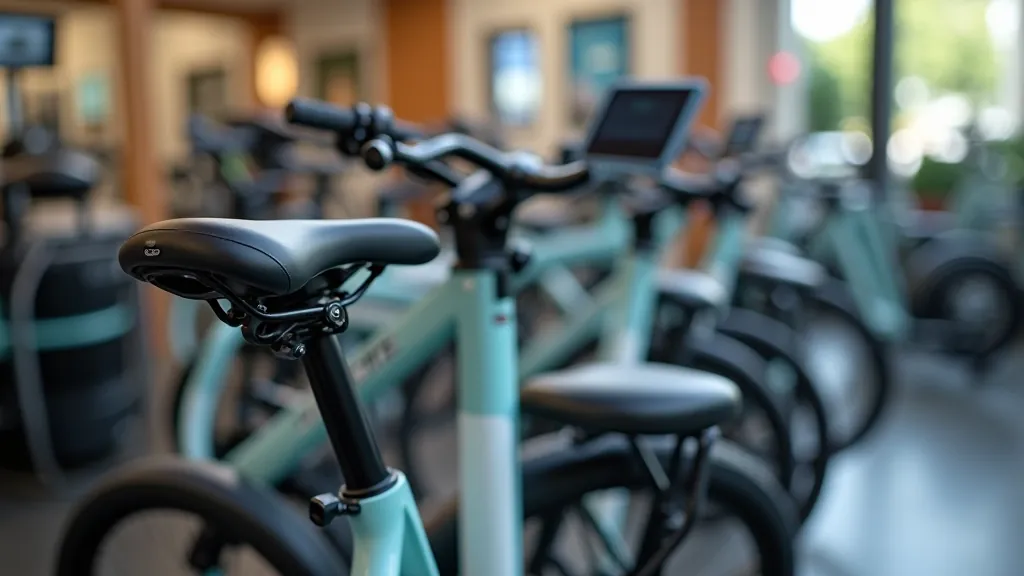
Dublin, Cork, Galway, and Limerick all have rental schemes now. Each one works slightly differently, but the basics are the same: find a bike, unlock it, ride it, return it.
You'll need a smartphone and a payment method. Download the relevant app—Dublin has Moby, Cork has Bleepbike, Galway's got BikeShare—and register your details. Most schemes let you pay per trip or buy a weekly pass. A single trip usually runs between €2-€4, depending on duration.
The app shows you exactly where the nearest bikes are, how many are available, and where the docking stations are located. It's not complicated. If you're not comfortable with the app, most cities have staffed rental shops too. You can walk in, talk to someone, and get a bike for a few hours. No technology required.
What we've found working with older riders is that the first time is always the hardest. After that? It becomes routine. Most people are surprised how natural it feels.
The seat height matters. Your leg should have a slight bend when the pedal's at its lowest point. Most rental bikes have adjustable seats. Take 30 seconds to get it right.
Don't jump straight to maximum assistance. Begin on Level 1 or 2. You'll get a feel for how the bike responds and how much help you actually need for your route.
Use the app to map out your journey before you start. Know where you're going and where the return docking station is. No surprises that way.
E-bikes have regenerative braking on the back wheel. It feels smooth and controlled. You'll barely need to touch the front brake. Get used to it before hitting busy streets.
It's not about age. E-bikes go faster and further than regular bikes, so the stakes are higher. A helmet isn't optional—it's basic sense.
Shift through the gears before you ride. Get a sense of how the bike responds. It'll make your ride smoother and less tiring overall.
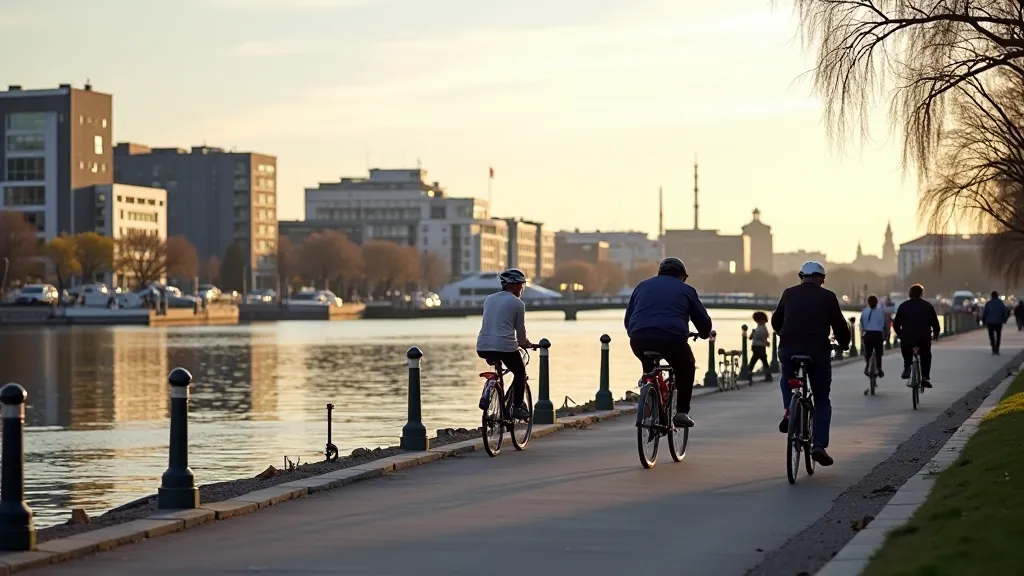
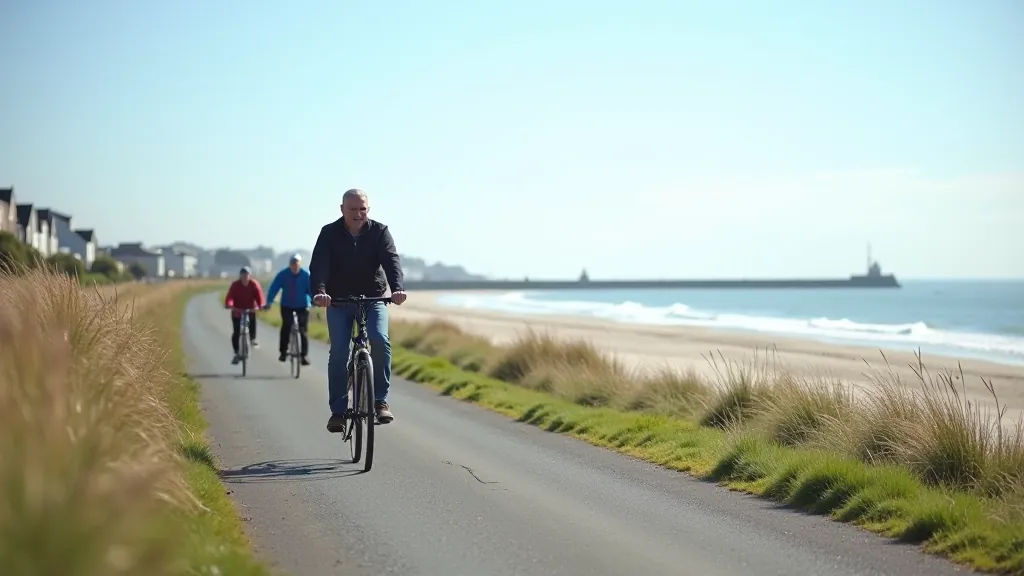
E-bikes aren't the future of city cycling in Ireland—they're already here. And they're making a genuine difference in how older riders experience their cities.
The beautiful part? You don't need to commit to anything. Rent one for a trip. See how it feels. Chat with the staff at the rental shop about what works for you. Most riders find that after a couple of trips, it becomes second nature.
Your city is waiting to be explored again. And honestly? An e-bike is one of the best ways to do it on your own terms.
This article is provided for educational and informational purposes only. It's not medical advice, professional cycling instruction, or a substitute for proper training. Before using an e-bike, especially if you have mobility concerns, balance issues, or any health conditions, we strongly recommend consulting with your doctor or a qualified healthcare provider. Traffic laws, cycling regulations, and rental procedures vary by city and country—always check local requirements before riding. The information here reflects conditions as of May 2026 and may change. Always wear a helmet, follow traffic rules, and ride responsibly. Your safety is paramount.